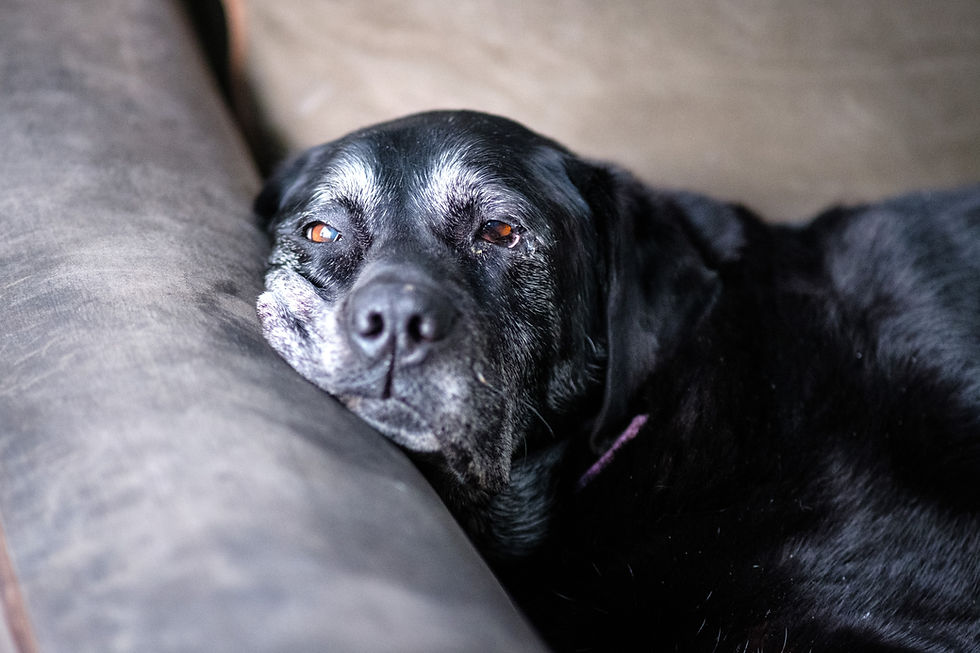
Is It Just Old Age? Signs Your Senior Pet May Need Veterinary Attention


As dogs and cats get older, changes in their daily routines and behavior are expected. They may slow down, sleep more, or become less interested in activities they once enjoyed.
But how do you know when those changes are part of the natural aging process and when they might indicate an underlying health concern?
November is National Senior Pet Month, an opportunity to recognize the unique needs of older pets and the importance of monitoring their health as they age.
Aging Doesn't Always Explain Changes in Behavior
One of the most common misconceptions about senior pets is that discomfort, mobility problems, and behavioral changes are simply part of getting older.
While aging can affect a pet's energy level and physical abilities, significant changes should not automatically be dismissed.
Conditions such as arthritis, dental disease, kidney disease, and other medical concerns can develop gradually. Early signs may be subtle enough to go unnoticed until they begin affecting a pet's quality of life.
Six Changes to Watch for in Senior Dogs and Cats
1. Difficulty Moving or Getting Comfortable
Does your dog hesitate before climbing stairs? Has your cat stopped jumping onto a favorite windowsill?
Stiffness, difficulty standing, reluctance to jump, and changes in mobility can indicate pain or joint problems, including arthritis.
2. Sleeping More or Losing Interest in Activities
An older pet may naturally become less active, but a noticeable decrease in energy or interest in familiar activities can also signal illness or discomfort.
Pay attention to changes that seem unusual for your pet.
3. Changes in Appetite, Weight, or Drinking Habits
Unexplained weight loss, increased thirst, changes in appetite, or changes in urination can be signs of underlying health conditions.
These changes deserve veterinary attention, particularly when they develop suddenly or continue over time.
4. Confusion or Changes in Behavior
Some senior pets experience changes in awareness, sleep patterns, or behavior.
You might notice increased vocalization, restlessness at night, difficulty navigating familiar spaces, or unusual interactions with family members.
Behavioral changes can have several causes, so a veterinary examination can help identify potential concerns.
5. Accidents in the House
A previously house-trained dog may begin having accidents, or an older cat may stop consistently using the litter box.
These changes aren't necessarily behavioral problems. Pain, mobility limitations, urinary problems, and other conditions can make normal bathroom habits more difficult.
6. Increased Sensitivity to Touch or Grooming
If your pet suddenly dislikes being brushed, picked up, or touched in certain areas, discomfort may be a contributing factor.
Changes in grooming behavior can also be particularly noticeable in older cats.
Why Regular Veterinary Exams Matter for Senior Pets
Routine veterinary examinations become increasingly valuable as animals age.
During a wellness visit, a veterinarian can evaluate body condition, mobility, dental health, and other indicators of overall well-being.
Depending on your pet's age and health history, additional testing may be recommended.
Identifying potential concerns early can create more opportunities to manage discomfort, address medical conditions, and support a good quality of life.
The Benefits of Veterinary Care at Home
For some senior pets, traveling to a veterinary clinic can be stressful or physically challenging.
Dogs with mobility difficulties and cats that become anxious during transportation may benefit from an examination in a familiar environment when mobile veterinary services are available.
At-home care can also provide an opportunity to discuss an older pet's daily routine, mobility challenges, and home environment.
Helping Senior Pets Stay Comfortable
Small adjustments at home can make a meaningful difference for aging animals.
Consider providing supportive bedding, improving traction on slippery floors, making food and water easy to access, and reducing the need to navigate difficult stairs.
For cats, litter boxes with lower entry points may help those experiencing mobility limitations.
Most importantly, pay attention to changes and communicate them to your veterinarian.
Age Is Not a Diagnosis
Growing older is a natural part of life, but persistent pain and significant discomfort should never be accepted as inevitable.
Every senior pet deserves thoughtful attention, appropriate veterinary care, and the opportunity to remain as comfortable as possible.
Oliver Mobile Veterinary Services values the important role senior pets play in their families. For information about future small animal appointment availability, contact our team about joining our small animal waitlist.
Because the goal isn't simply helping our pets live longer. It's helping them live well.