
Preparing Your Senior Pet: Fall and Winter Care

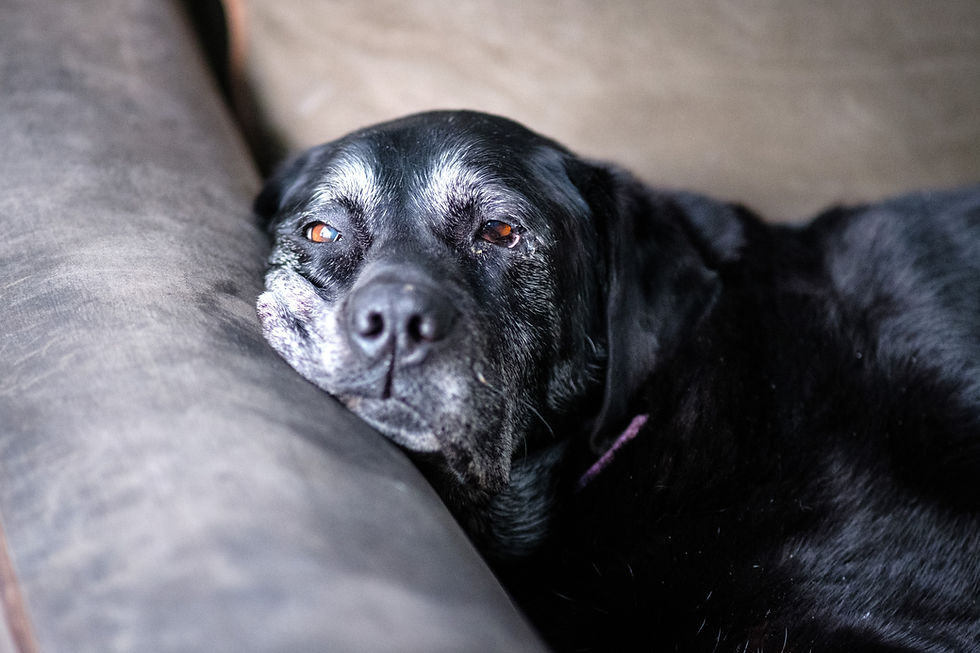
August may not feel like the beginning of cold weather, but it is a good time to prepare senior pets for the months ahead.
Older dogs and cats may have arthritis, reduced muscle strength, chronic medical conditions, or difficulty adjusting to temperature changes. Addressing these concerns before colder weather arrives can help senior pets remain safe and comfortable.
Senior Pet Fall and Winter Care: Recognizing Subtle Signs of Pain in Senior Pets
Pets do not always cry, limp, or clearly show that something hurts. Chronic pain may appear as a gradual change in behavior.
Watch for:
Difficulty standing after resting
Reluctance to climb stairs
Hesitation before jumping
Slower or shorter walks
Stiffness
Sleeping more than usual
Hiding or avoiding interaction
Irritability when touched
Changes in posture
Difficulty entering the litter box
Reduced grooming
Accidents inside the home
Some owners assume these changes are simply part of aging. Although senior pets naturally slow down, changes in mobility or behavior should still be discussed with a veterinarian.
Schedule a Senior Wellness Examination
Regular veterinary examinations become increasingly important as pets age.
A senior wellness visit may include a discussion of:
Mobility and joint health
Pain management
Weight and nutrition
Dental health
Vision and hearing
Heart and lung health
Medication effectiveness
Changes in behavior
Bathroom habits
Recommended laboratory testing
Bloodwork and urine testing may identify changes that are not visible during a physical examination. Early detection can provide more options for managing certain conditions.
The appropriate testing schedule depends on your pet’s age, species, health history, medications, and previous results.
Review Medications Before Winter
If your senior pet takes prescription medication, August is a good time to review the current plan.
Ask your veterinarian:
Is the current medication still effective?
Does the dosage need to be adjusted?
Are laboratory tests needed for continued monitoring?
Are refills available before holiday schedules become busy?
Have new symptoms developed since the last examination?
Never increase, decrease, or stop a prescription without veterinary guidance.
Human pain relievers can be dangerous for dogs and cats. Do not give your pet medication from your own medicine cabinet unless specifically directed by a veterinarian.
Make the Home Easier to Navigate
Small changes can make a significant difference for a senior pet with reduced mobility.
Consider adding:
Nonslip rugs on smooth floors
Ramps or pet steps
Supportive bedding
Easily accessible food and water
A litter box with a lower entrance
Nightlights in dark hallways
A warm resting area away from drafts
Keep pathways clear and place frequently used items where your pet can reach them without climbing or jumping.
Senior pets may also need more frequent bathroom breaks, especially when they have mobility problems or take certain medications.
Maintain Safe, Gentle Activity
Regular movement can help support mobility, muscle strength, and overall wellbeing. Activity should be appropriate for your pet’s physical condition.
Several short walks may be more comfortable than one long outing. Avoid forcing your pet to exercise through stiffness, limping, or fatigue.
Watch for slippery leaves, wet surfaces, ice, and uneven ground as the seasons change.
Your veterinarian can help you determine an appropriate activity level for your pet.
Monitor Weight and Appetite
Weight changes can be especially important in senior pets.
Extra weight may place additional strain on painful joints. Unexpected weight loss may signal dental disease, metabolic changes, digestive problems, or another medical condition.
Contact your veterinarian if you notice:
Increased or decreased appetite
Difficulty chewing
Increased thirst
Changes in urination
Vomiting or diarrhea
Unexplained weight gain or loss
Do not make major dietary changes without discussing your pet’s nutritional needs with a veterinary professional.
The Benefits of an In Home Examination
Travel can be difficult for senior pets with arthritis, anxiety, reduced vision, or limited mobility.
Mobile veterinary care removes the need to lift an uncomfortable pet into a vehicle or navigate a busy waiting room. Your pet can be examined in familiar surroundings while your veterinarian learns more about the home environment and daily routine.
Oliver Mobile Veterinary Service provides compassionate care for senior pets in the comfort of their own homes.
Contact us to schedule a senior wellness examination and help your pet enter the cooler months as comfortably as possible.
